

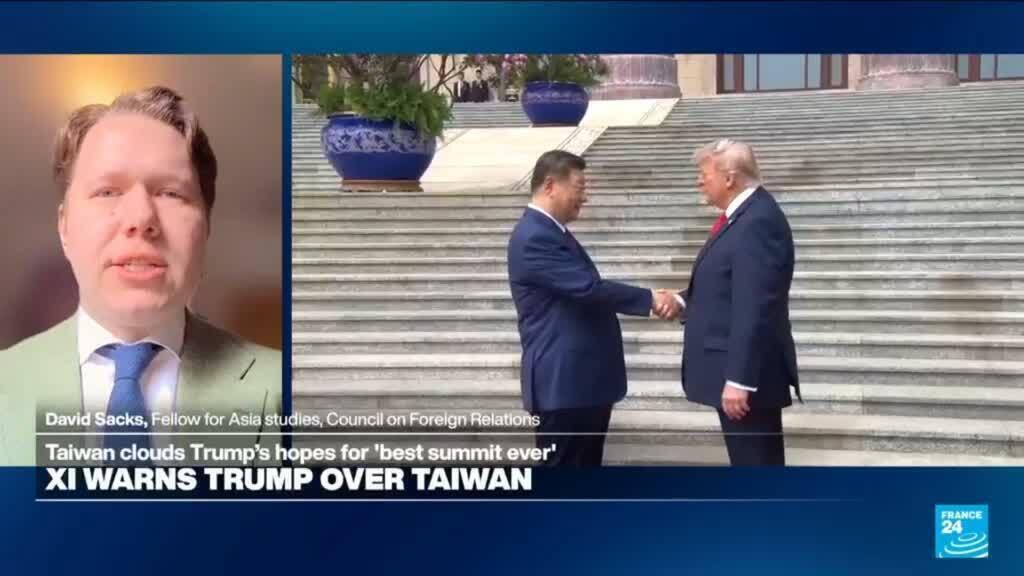
Nadia Massih is pleased to welcome David Sacks, Fellow for Asia Studies at the Council on Foreign Relations (CFR). Questions surrounding Taiwan, semiconductor sovereignty, trade diplomacy, and Middle Eastern energy security are becoming inseparable components of a broader strategic contest between the United States and China. Sachs maps a relationship defined not by dramatic confrontation but by selective silence, transactional prioritization, and carefully managed ambiguity. Whether observing that “Taiwan doesn’t really figure on the agenda” for Washington, warning that allowing Chinese access to advanced semiconductors “would be a bad thing,” or noting that Beijing “is not going to just act as a proxy for US interests,” Sachs highlights the hidden mechanics of great power competition.
About the Author