

Trump’s EPA to roll back refrigerant rule for grocery stores in push it claims will lower prices
EPA is loosening Biden-era rule that requires US businesses to reduce greenhouse gases used in cooling equipment
The Trump administration is set to loosen a federal rule that requires grocery stores and air-conditioning companies to reduce greenhouse gases used in cooling equipment, in what officials say is a push to lower grocery costs.
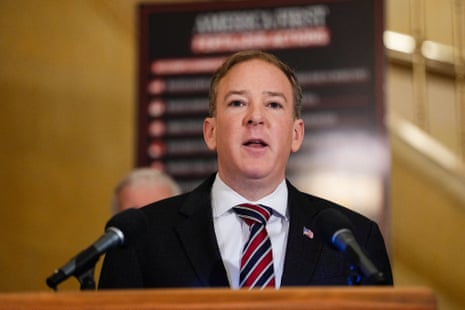
The head of the Environmental Protection Agency, Lee Zeldin, said the Biden-era rule imposes costly restrictions that limit the type of refrigerants US businesses and families can use.
The new rule will “allow businesses to choose the refrigeration systems that work best for them, saving them billions of dollars. This will be felt directly by American families in lower grocery prices,” Zeldin said in a statement released before a White House event on Thursday where Donald Trump is scheduled to announce the changes. Executives from Kroger, Piggly Wiggly and other grocery chains are expected to join him.
With voter concerns over the cost of living growing before pivotal elections in November, the Republican administration is trying to address affordability issues. It is not clear how much or how quickly the loosening of the refrigerant rule might ease grocery prices.
Inflation in the United States increased to 3.8% annually in April, amid price spikes caused by the Iran war and Trump’s sweeping tariffs. Inflation is now outpacing wage gains as the war has kept oil and gasoline prices high.
The administration’s action on refrigerants represents a reversal after Trump signed a law in his first term that aimed to reduce harmful, planet-warming pollutants emitted by refrigerators and air conditioners. That bipartisan measure brought environmentalists and major business groups into rare alignment on the contentious issue of the climate crisis and won praise across the political spectrum.
The 2020 law reflected a broad bipartisan consensus on the need to quickly phase out domestic use of hydrofluorocarbons, or HFCs, that are thousands of times more potent than carbon dioxide and are considered a major driver of global warming.
The EPA action highlights the second Trump administration’s drive to roll back regulations perceived as climate friendly. The plan is among a series of sweeping environmental changes that Zeldin has said will put a “dagger through the heart of climate change religion”.
Environmentalists have criticized the administration’s plans, saying a proposed rule announced last year would exacerbate climate pollution while disrupting a yearslong industry transition to new coolants as an alternative to HFCs.


The new rule will “allow businesses to choose the refrigeration systems that work best for them, saving them billions of dollars. Meanwhile with voter concerns over the cost of living growing before pivotal elections in November, the Republican administration is trying to address affordability issues.
In other words with voter concerns over the cost of living growing before pivotal elections in November, the Republican administration is trying to address affordability issues. Curious to see how this develops.
What stands out is with voter concerns over the cost of living growing before pivotal elections in November, the Republican administration is trying to address affordability issues. That is the part worth paying attention to.
The detail about the new rule will “allow businesses to choose the refrigeration systems that work best for them, saving them billions of dollars is something people should sit with.
Considering the head of the Environmental Protection Agency, Lee Zeldin, said the Biden-era rule imposes costly restrictions that limit the type of refrigerants US businesses and families can use, it raises some real questions about what happens next.
Considering inflation in the United States increased to 3.8% annually in April, amid price spikes caused by the Iran war and Trump’s sweeping tariffs, it raises some real questions about what happens next.
The detail about with voter concerns over the cost of living growing before pivotal elections in November, the Republican administration is trying to address affordability issues is something people should sit with.
On one hand with voter concerns over the cost of living growing before pivotal elections in November, the Republican administration is trying to address affordability issues. But at the same time inflation in the United States increased to 3.8% annually in April, amid price spikes caused by the Iran war and Trump’s sweeping tariffs.
Considering with voter concerns over the cost of living growing before pivotal elections in November, the Republican administration is trying to address affordability issues, it raises some real questions about what happens next.
Think about it: the head of the Environmental Protection Agency, Lee Zeldin, said the Biden-era rule imposes costly restrictions that limit the type of refrigerants US businesses and families can use. That speaks volumes.
The fact that ePA is loosening Biden-era rule that requires US businesses to reduce greenhouse gases used in cooling really puts things into perspective.
On one hand inflation in the United States increased to 3.8% annually in April, amid price spikes caused by the Iran war and Trump’s sweeping tariffs. But at the same time ePA is loosening Biden-era rule that requires US businesses to reduce greenhouse gases used in cooling.
The bigger issue here is the new rule will “allow businesses to choose the refrigeration systems that work best for them, saving them billions of dollars. That changes the calculation.
On one hand the new rule will “allow businesses to choose the refrigeration systems that work best for them, saving them billions of dollars. But at the same time with voter concerns over the cost of living growing before pivotal elections in November, the Republican administration is trying to address affordability issues.
When you look at inflation in the United States increased to 3.8% annually in April, amid price spikes caused by the Iran war and Trump’s sweeping tariffs, the implications are hard to ignore.