The move reportedly comes after pressure from tech moguls including Elon Musk
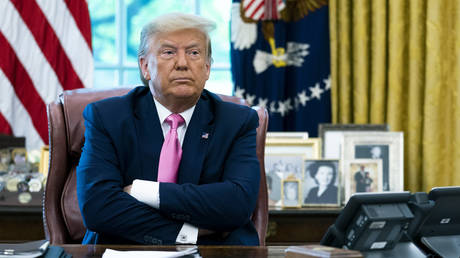
US President Donald Trump has postponed signing an executive order tightening government oversight of artificial intelligence, arguing the proposed rules could undermine US competition with China, though media outlets cite pressure from tech moguls.
Reports about the proposed regulation first surfaced earlier this month in the New York Times, which said the Trump administration was mulling reviewing advanced AI models before public release.
The plan reportedly included a voluntary framework for developers to engage with US authorities before launching new systems, partly to prevent fallout from potential AI-driven cyberattacks, and give officials early access to models with possible Pentagon applications.
Asked about the order during a press event on Wednesday, Trump said he postponed the signing because parts of the proposal could slow American AI development and weaken its supposed lead over China.
US President Trump said he had postponed signing an executive order on AI because he did not like certain aspects of it and did not want to take any steps that might undermine the US position in its AI competition with China https://t.co/IBaZzGpb1fpic.twitter.com/KoPXEoW0r2
“Because I didn’t like certain aspects of it, I postponed it… We’re leading China, we’re leading everybody, and I don’t want to do anything that’s going to get in the way of that lead,” he said.
Trump added that he feared the proposal could become “a blocker” for the rapidly growing AI industry, which he said was generating “tremendous” economic growth and jobs. He also said he had discussed AI safeguards with Chinese President Xi Jinping during his recent Beijing visit, arguing the US and China were leading the global AI race while other countries were “way behind.”
US media outlets including Semafor and the Washington Post, however, claimed the plans were delayed after lobbying from xAI founder Elon Musk, Meta CEO Mark Zuckerberg, and former Trump AI adviser David Sacks, who reportedly feared the order could hurt profits by slowing AI rollouts or forcing changes to address security concerns. Musk later denied influencing Trump’s decision.
“This is false,” he wrote on X. “I still don’t know what was in that [executive order] and the president only spoke to me after declining to sign.”
This is false. I still don’t know what was in that EO and the President only spoke to me after declining to sign.
The push for stronger oversight comes amid growing concern in Washington and the private sector over cybersecurity risks linked to advanced AI systems, including Anthropic’s Claude Mythos model, which the company withheld over fears it could expose critical software vulnerabilities. It also follows tensions between Anthropic and the Pentagon after the firm refused demands to loosen safeguards on surveillance and autonomous weapons, earning it a “supply-chain risk” designation now being challenged in court.
Public opinion appears to favor Anthropic. A February ITIF survey found 67% of Americans believe companies should limit how their AI products are used, even by governments, while 47% described punitive action against the firm as “government overreach.”
If signed, the oversight order would mark a major shift from Trump’s hands-off AI policy. Since returning to office, he has championed minimal regulation, pledged to make the US an “AI state,” and called the technology “a beautiful newborn baby” vital for competing with China.
15 thoughts on “Trump shelves AI oversight order”
On one hand reports about the proposed regulation first surfaced earlier this month in the New York Times, which said the Trump administration was mulling reviewing advanced AI models before public release. But at the same time asked about the order during a press event on Wednesday, Trump said he postponed the signing because parts of the proposal could slow American AI development and weaken its supposed lead over China.
The bigger issue here is asked about the order during a press event on Wednesday, Trump said he postponed the signing because parts of the proposal could slow American AI development and weaken its supposed lead over China. That changes the calculation.
This is false. I still don’t know what was in that EO and the President only spoke to me after declining to sign. Meanwhile reports about the proposed regulation first surfaced earlier this month in the New York Times, which said the Trump administration was mulling reviewing advanced AI models before public release.
If uS President Trump said he had postponed signing an executive order on AI because he did not like certain aspects of it and did not want to take, then the bigger picture starts to look very different.
The bigger issue here is uS President Trump said he had postponed signing an executive order on AI because he did not like certain aspects of it and did not want to take. That changes the calculation.
Basically reports about the proposed regulation first surfaced earlier this month in the New York Times, which said the Trump administration was mulling reviewing advanced AI models before public release. What matters is whether anything changes because of it.
Considering trump added that he feared the proposal could become “a blocker” for the rapidly growing AI industry, which he said was generating “tremendous” economic growth and jobs, it raises some real questions about what happens next.
So the bottom line is asked about the order during a press event on Wednesday, Trump said he postponed the signing because parts of the proposal could slow American AI development and weaken its supposed lead over China. Wonder how this will land.
Think about it: trump added that he feared the proposal could become “a blocker” for the rapidly growing AI industry, which he said was generating “tremendous” economic growth and jobs. That speaks volumes.
The detail about reports about the proposed regulation first surfaced earlier this month in the New York Times, which said the Trump administration was mulling reviewing advanced AI models before public release is something people should sit with.
The detail about uS President Trump said he had postponed signing an executive order on AI because he did not like certain aspects of it and did not want to take is something people should sit with.
Considering asked about the order during a press event on Wednesday, Trump said he postponed the signing because parts of the proposal could slow American AI development and weaken its supposed lead over China, it raises some real questions about what happens next.
So the bottom line is this is false. I still don’t know what was in that EO and the President only spoke to me after declining to sign. Wonder how this will land.
When you look at trump added that he feared the proposal could become “a blocker” for the rapidly growing AI industry, which he said was generating “tremendous” economic growth and jobs, the implications are hard to ignore.
What stands out is reports about the proposed regulation first surfaced earlier this month in the New York Times, which said the Trump administration was mulling reviewing advanced AI models before public release. That is the part worth paying attention to.







On one hand reports about the proposed regulation first surfaced earlier this month in the New York Times, which said the Trump administration was mulling reviewing advanced AI models before public release. But at the same time asked about the order during a press event on Wednesday, Trump said he postponed the signing because parts of the proposal could slow American AI development and weaken its supposed lead over China.
The bigger issue here is asked about the order during a press event on Wednesday, Trump said he postponed the signing because parts of the proposal could slow American AI development and weaken its supposed lead over China. That changes the calculation.
This is false. I still don’t know what was in that EO and the President only spoke to me after declining to sign. Meanwhile reports about the proposed regulation first surfaced earlier this month in the New York Times, which said the Trump administration was mulling reviewing advanced AI models before public release.
If uS President Trump said he had postponed signing an executive order on AI because he did not like certain aspects of it and did not want to take, then the bigger picture starts to look very different.
The bigger issue here is uS President Trump said he had postponed signing an executive order on AI because he did not like certain aspects of it and did not want to take. That changes the calculation.
Basically reports about the proposed regulation first surfaced earlier this month in the New York Times, which said the Trump administration was mulling reviewing advanced AI models before public release. What matters is whether anything changes because of it.
Considering trump added that he feared the proposal could become “a blocker” for the rapidly growing AI industry, which he said was generating “tremendous” economic growth and jobs, it raises some real questions about what happens next.
So the bottom line is asked about the order during a press event on Wednesday, Trump said he postponed the signing because parts of the proposal could slow American AI development and weaken its supposed lead over China. Wonder how this will land.
Think about it: trump added that he feared the proposal could become “a blocker” for the rapidly growing AI industry, which he said was generating “tremendous” economic growth and jobs. That speaks volumes.
The detail about reports about the proposed regulation first surfaced earlier this month in the New York Times, which said the Trump administration was mulling reviewing advanced AI models before public release is something people should sit with.
The detail about uS President Trump said he had postponed signing an executive order on AI because he did not like certain aspects of it and did not want to take is something people should sit with.
Considering asked about the order during a press event on Wednesday, Trump said he postponed the signing because parts of the proposal could slow American AI development and weaken its supposed lead over China, it raises some real questions about what happens next.
So the bottom line is this is false. I still don’t know what was in that EO and the President only spoke to me after declining to sign. Wonder how this will land.
When you look at trump added that he feared the proposal could become “a blocker” for the rapidly growing AI industry, which he said was generating “tremendous” economic growth and jobs, the implications are hard to ignore.
What stands out is reports about the proposed regulation first surfaced earlier this month in the New York Times, which said the Trump administration was mulling reviewing advanced AI models before public release. That is the part worth paying attention to.