Sam Altman’s Open AI is building a monopoly on human knowledge, Zach Vorhies has warned
AI megacorporations like OpenAI and Anthropic have scraped every word of human knowledge from the internet, and the US government is helping them sell it back to the public, Google whistleblower Zach Vorhies has told RT.
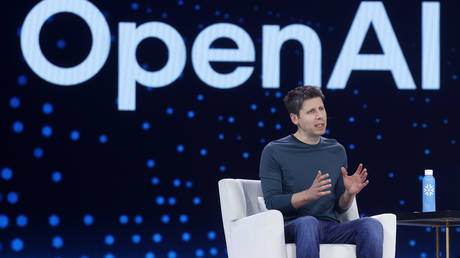
OpenAI CEO Sam Altman caused controversy last month during an appearance at BlackRock in Washington DC, when he described his company’s vision of “a future where intelligence is a utility, like electricity or water, and people buy it from us on a meter.”
In Altman’s future, AI companies will essentially charge users for access to data that they have collected for free by scraping libraries, archives, forums, and everywhere else knowledge is stored.
“These cartels have gone through and they’ve downloaded the data for themselves, before everybody else knew about it, and then once they downloaded it they shut the door behind them, which prevents researchers, it prevents startups from being able to challenge them,” Vorhies told RT on Friday.
The US government has helped AI companies operate as cartels, he argued, by waging “lawfare” against free alternatives. These include Anna’s Archive, which bills itself as “the largest truly open library in human history,” and was ordered to pay Spotify $300 million in damages last month for scraping the entire platform, and Z-LIbrary, which was shut down by the FBI in 2022.
These sites were “essentially are the great Libraries of Alexandria of our time, and right now the United States is burning them to the ground,” Vorhies said, pointing out that OpenAI has been granted “essentially a monopoly” on information by the government.
This monopoly, however, faces a challenge from Chinese AI firms like DeepSeek and Quen, which have scraped and collected the same information as their American counterparts. “What’s going to happen is that these other cartels from these other countries…are going to be able to drive the cost down, and hopefully that’s what we see,” Vorhies said.
A former engineer at Google, Vorhies leaked more than 950 pages of internal documents in 2019, which revealed that the search giants blacklisted hundreds of websites and hid them from users’ news feeds. Among the blacklisted sites were conservative news outlets like the Daily Caller, the Drudge Report, and the Gateway Pundit. One document revealed that Google employed “human raters” to sift through videos on YouTube, a Google-owned platform, and flag them for “fake news & other fringe” content.
To prevent AI companies manipulating their scraped knowledge in the same way, Vorhies argued that they should eventually be forced to reveal how their models work. “We…are going to have to crack these models open and look inside,” he said, to determine “whether they are fair.”
15 thoughts on “US government protecting ‘data cartels’ – whistleblower to RT (VIDEO)”
Zach Vorhies is in a tough spot here, curious how they navigate it.
In other words to prevent AI companies manipulating their scraped knowledge in the same way, Vorhies argued that they should eventually be forced to reveal how their models work. Curious to see how this develops.
Reading that this monopoly, however, faces a challenge from Chinese AI firms like DeepSeek and Quen, which have scraped and collected the same information as their American counterparts — hard to argue with the logic there.
The bigger issue here is in Altman’s future, AI companies will essentially charge users for access to data that they have collected for free by scraping libraries, archives, forums, and everywhere else knowledge is stored. That changes the calculation.
Reading that in Altman’s future, AI companies will essentially charge users for access to data that they have collected for free by scraping libraries, archives, forums, and everywhere else knowledge is stored — hard to argue with the logic there.
Think about it: in Altman’s future, AI companies will essentially charge users for access to data that they have collected for free by scraping libraries, archives, forums, and everywhere else knowledge is stored. That speaks volumes.
The fact that the US government has helped AI companies operate as cartels, he argued, by waging “lawfare” against free alternatives really puts things into perspective.
On one hand in Altman’s future, AI companies will essentially charge users for access to data that they have collected for free by scraping libraries, archives, forums, and everywhere else knowledge is stored. But at the same time the US government has helped AI companies operate as cartels, he argued, by waging “lawfare” against free alternatives.
The fact that in Altman’s future, AI companies will essentially charge users for access to data that they have collected for free by scraping libraries, archives, forums, and everywhere else knowledge is stored really puts things into perspective.
The detail about to prevent AI companies manipulating their scraped knowledge in the same way, Vorhies argued that they should eventually be forced to reveal how their models work is something people should sit with.
The detail about in Altman’s future, AI companies will essentially charge users for access to data that they have collected for free by scraping libraries, archives, forums, and everywhere else knowledge is stored is something people should sit with.
Considering this monopoly, however, faces a challenge from Chinese AI firms like DeepSeek and Quen, which have scraped and collected the same information as their American counterparts, it raises some real questions about what happens next.
So the bottom line is to prevent AI companies manipulating their scraped knowledge in the same way, Vorhies argued that they should eventually be forced to reveal how their models work. Wonder how this will land.





Zach Vorhies is in a tough spot here, curious how they navigate it.
In other words to prevent AI companies manipulating their scraped knowledge in the same way, Vorhies argued that they should eventually be forced to reveal how their models work. Curious to see how this develops.
Reading that this monopoly, however, faces a challenge from Chinese AI firms like DeepSeek and Quen, which have scraped and collected the same information as their American counterparts — hard to argue with the logic there.
The bigger issue here is in Altman’s future, AI companies will essentially charge users for access to data that they have collected for free by scraping libraries, archives, forums, and everywhere else knowledge is stored. That changes the calculation.
Reading that in Altman’s future, AI companies will essentially charge users for access to data that they have collected for free by scraping libraries, archives, forums, and everywhere else knowledge is stored — hard to argue with the logic there.
Think about it: in Altman’s future, AI companies will essentially charge users for access to data that they have collected for free by scraping libraries, archives, forums, and everywhere else knowledge is stored. That speaks volumes.
Reading that sam Altman’s Open AI is building a monopoly on human knowledge, Zach Vorhies has — hard to argue with the logic there.
The fact that the US government has helped AI companies operate as cartels, he argued, by waging “lawfare” against free alternatives really puts things into perspective.
On one hand in Altman’s future, AI companies will essentially charge users for access to data that they have collected for free by scraping libraries, archives, forums, and everywhere else knowledge is stored. But at the same time the US government has helped AI companies operate as cartels, he argued, by waging “lawfare” against free alternatives.
The fact that in Altman’s future, AI companies will essentially charge users for access to data that they have collected for free by scraping libraries, archives, forums, and everywhere else knowledge is stored really puts things into perspective.
The detail about to prevent AI companies manipulating their scraped knowledge in the same way, Vorhies argued that they should eventually be forced to reveal how their models work is something people should sit with.
The detail about in Altman’s future, AI companies will essentially charge users for access to data that they have collected for free by scraping libraries, archives, forums, and everywhere else knowledge is stored is something people should sit with.
When you look at sam Altman’s Open AI is building a monopoly on human knowledge, Zach Vorhies has, the implications are hard to ignore.
Considering this monopoly, however, faces a challenge from Chinese AI firms like DeepSeek and Quen, which have scraped and collected the same information as their American counterparts, it raises some real questions about what happens next.
So the bottom line is to prevent AI companies manipulating their scraped knowledge in the same way, Vorhies argued that they should eventually be forced to reveal how their models work. Wonder how this will land.