

Big tobacco hooked us on ultra-processed foods. It might teach us how to cut back


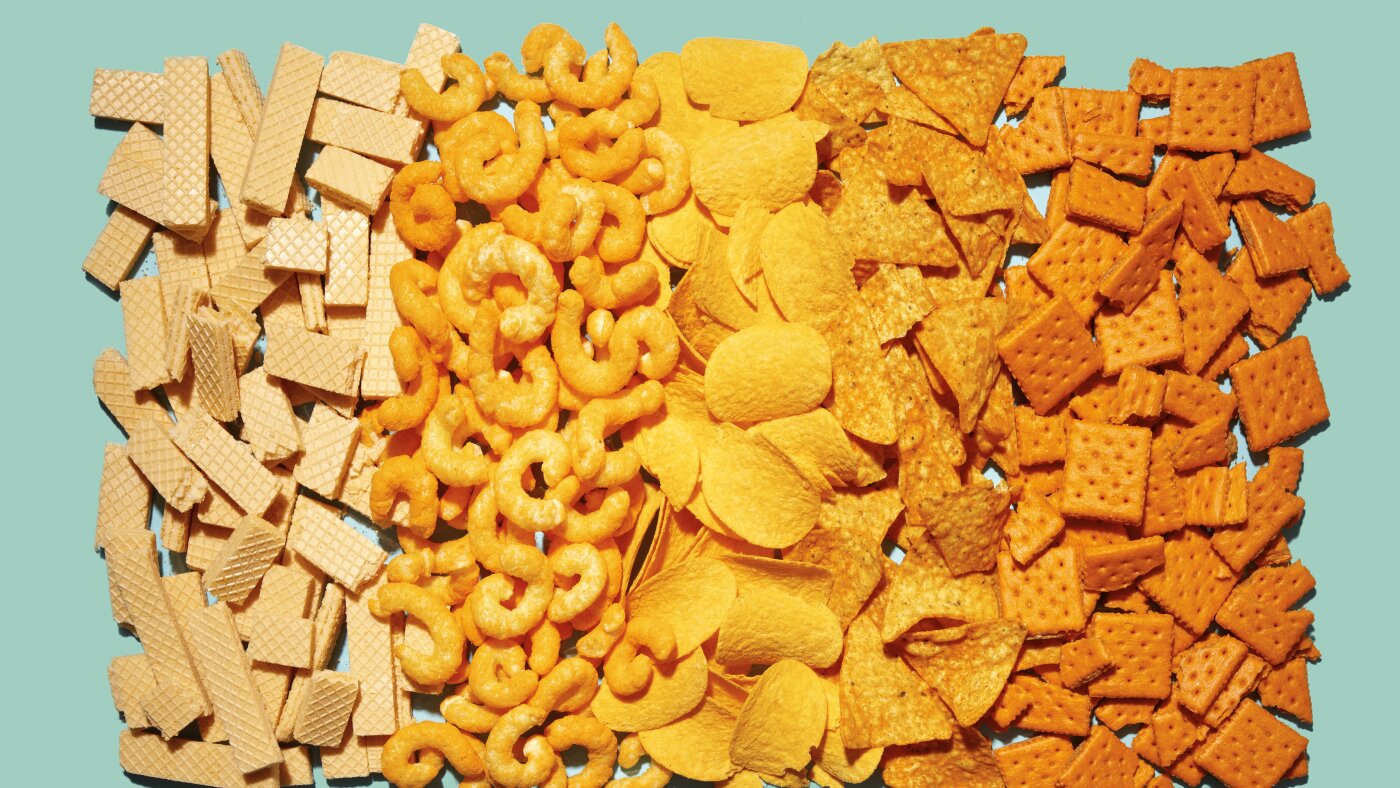
Ultra-processed foods often have added sugar and artificial flavorings, similar to how cigarettes were developed.
Shana Novak/Digital Vision/Getty Images
hide caption
toggle caption
Shana Novak/Digital Vision/Getty Images
Tobacco companies spent decades honing marketing strategies, flavor engineering and processing technologies that helped addict consumers to cigarettes. Then, in the 1980s, they started buying up large food firms and deployed these same strategies to sell more ultra-processed foods.

So says Laura Schmidt, a professor and researcher at the University of California, San Francisco, who has been studying old tobacco company archives.
She’s one of dozens of researchers who contributed to a new series of papers published June 3 in a special section of the American Journal of Public Health. Together, many of them make the case that the fight to curb our over-consumption of ultra-processed foods should become the new war on tobacco.
The researchers say these foods – things like salty chips, sugary sodas and prepackaged meals – which now dominate the American diet, have become major drivers of poor health, and the time to act is now.
The new research “adds to a growing body of evidence that these [food] products are associated with chronic disease, that they have addictive characteristics, and that they were also intentionally developed by tobacco and food companies,” says Nicholas Chartres, an associate editor of the journal and one of the authors of the new papers.
He and other researchers say the same sort of public health strategies that were sharpened during the war on tobacco could help Americans cut back on these foods.
How cigarette science helped shape ultra-processed food
Back in the 1980s, tobacco giants began aggressively expanding into manufactured foods, buying up some of the biggest food firms. For example, Philip Morris used to own Kraft General Foods and RJ Reynolds owned Nabisco. This was the era when ultra-processed food production really ramped up in the U.S., Schmidt says.
She says tobacco firms had spent decades amassing research on how to make cigarettes more pleasurable and addictive with chemical additives. And she says internal company records show they deliberately applied this knowledge to food manufacturing.
Want the latest stories on the science of healthy living? Subscribe to NPR’s Health newsletter.
“The very technologies that were used to figure out how to optimize the addictive properties of nicotine using added sugar and artificial flavorings – that core technology was transferred from the tobacco industry to ultra-processed food development,” Schmidt says.
She says these kinds of additives have now become one of the defining characteristics of what makes a food ultra-processed. Her study looks at the development of Lunchables, and how Philip Morris applied the same flavor technologies used to make lower-nicotine cigarettes more palatable to creating lower-fat cheeses and processed meats.
The cigarettes business also informed marketing strategies for ultra-processed foods, researchers say. For example, take the concept of king-size candies and other packaged snacks. The term “king size” actually originated as a way to market longer cigarettes. For consumers worried about health, tobacco companies used to sell so-called light cigarettes.
“They applied the same strategies to developing light and reduced food products with the express goal of retaining customers who might otherwise stop consuming some of their products, such as cheeses and other items that customers had concerns about due the health harms,” says Tera Fazzino, an associate professor in the department of psychology at the University of Kansas.

Shots – Health News
Ultra-processed food consumption is down a bit, but still more than 50% of U.S. diet
Fazzino’s prior research has found that during the period when tobacco giants owned major food firms – from the 1980s through the mid-2000s – they saturated the market with ultra-processed foods that were more likely to be classified as hyper-palatable. Basically, these are foods that contain unnaturally high combinations of fat, sugar, sodium and carbohydrates that activate our brain’s reward system in ways that make it hard for us to stop eating.
Schmidt found a quote from a former Philip Morris CEO who said that ultra-processed foods and cigarettes were really similar businesses. He said they were both low-cost consumer packaged goods with a huge market.
Tobacco companies Reynolds and Altria, which operates Philip Morris, did not respond to NPR’s request for comment by the time of publication.
Natalie Rubino, director of media relations at Consumer Brands Association, which represents packaged food and beverage companies, pointed to the safety of its brands.
“As consumers continue to seek a diverse selection of foods and beverages, the makers of America’s trusted household brands provide a wide variety of affordable products to choose from, along with access to the information consumers need to make informed choices. Companies adhere to the rigorous evidence-based safety standards and nutrition policy established by the FDA to deliver safe, affordable and convenient products that consumers depend on every day,” she said in an email.
Adding to the body of research
The new papers also look at the health and environmental impacts of the ultra-processed food industry.
A large body of research already exists that links over-consumption of ultra-processed foods to a host of poor health outcomes – from obesity to diabetes to all-cause mortality. Several of the papers in the special section add to this body of evidence.
For instance, one study that followed more than 5,000 older Americans over 10 yearsfound a possible association between higher consumption of ultra-processed foods and an increased risk of cognitive impairment and dementia.

And ultra-processed foods take a toll not just on the body but also on the environment, an editorial in the section argues. Previous research has identified ultra-processed food companies like Coca-Cola, Pepsi and Danone as being among the top 5 plastic polluters globally.
The Consumer Brands Association statement did not address NPR’s request for comment on the environmental impact.
A threshold for change?
The new issue includes a survey of a nationally representative group of 2,000 adults. It found that, across party lines, the majority of people who responded said they want the government to regulate ultra-processed foods.
“It feels like we’ve reached a tipping point between the strength of the science, public support, and then also political will,” says Lindsey Smith Taillie, a professor of nutrition at the University of North Carolina and co-author of the papers.”And those three factors combined to me suggest that we might be at a place where we start to see real policy action on this topic the way that we did in tobacco.”
The food industry is powerful, and many policy experts say we are likely to see change at the state level first. Several states have passed restrictions or bans on the use of synthetic dyes in foods, for instance.
Litigation could also be an important strategy against the ultra-processed food industry, Jennifer Pomeranz, an expert on food policy and law at New York University, argues in an editorial. In other words, state attorneys general could file suit against food companies alleging damage to the public health, not unlike the lawsuits filed against tobacco companies in the 1990s.
She and other researchers say now’s the time to act, because the Make America Healthy Again movement has become so influential and its proponents are very vocal in calling for removing artificial additives from the food supply.
“The last time there was this kind of universal upheaval about the safety of our food supply was the 1906 Food and Drug Act,” Pomeranz says.



On one hand tobacco companies spent decades honing marketing strategies, flavor engineering and processing technologies that helped addict consumers to cigarettes. But at the same time so says Laura Schmidt, a professor and researcher at the University of California, San Francisco, who has been studying old tobacco company archives.
Basically ultra-processed foods often have added sugar and artificial flavorings, similar to how cigarettes were developed. What matters is whether anything changes because of it.
So the bottom line is she’s one of dozens of researchers who contributed to a new series of papers published June 3 in a special section of the American Journal of Public Health. Wonder how this will land.
He and other researchers say the same sort of public health strategies that were sharpened during the war on tobacco could help Americans cut back on these foods. Meanwhile ultra-processed foods often have added sugar and artificial flavorings, similar to how cigarettes were developed.
So the bottom line is ultra-processed foods often have added sugar and artificial flavorings, similar to how cigarettes were developed. Wonder how this will land.
So says Laura Schmidt, a professor and researcher at the University of California, San Francisco, who has been studying old tobacco company archives. Meanwhile she’s one of dozens of researchers who contributed to a new series of papers published June 3 in a special section of the American Journal of Public Health.
Tobacco companies spent decades honing marketing strategies, flavor engineering and processing technologies that helped addict consumers to cigarettes. Meanwhile so says Laura Schmidt, a professor and researcher at the University of California, San Francisco, who has been studying old tobacco company archives.
Considering ultra-processed foods often have added sugar and artificial flavorings, similar to how cigarettes were developed, it raises some real questions about what happens next.
So the bottom line is he and other researchers say the same sort of public health strategies that were sharpened during the war on tobacco could help Americans cut back on these foods. Wonder how this will land.
Reading that she’s one of dozens of researchers who contributed to a new series of papers published June 3 in a special section of the American Journal of Public Health — hard to argue with the logic there.
Reading that so says Laura Schmidt, a professor and researcher at the University of California, San Francisco, who has been studying old tobacco company archives — hard to argue with the logic there.
Digital Vision is in a tough spot here, curious how they navigate it.
In other words tobacco companies spent decades honing marketing strategies, flavor engineering and processing technologies that helped addict consumers to cigarettes. Curious to see how this develops.
On one hand he and other researchers say the same sort of public health strategies that were sharpened during the war on tobacco could help Americans cut back on these foods. But at the same time ultra-processed foods often have added sugar and artificial flavorings, similar to how cigarettes were developed.
The detail about he and other researchers say the same sort of public health strategies that were sharpened during the war on tobacco could help Americans cut back on these foods is something people should sit with.