A reprieve that was to run only until May 16 has been prolonged to “stabilize” the crude market, the Treasury has said
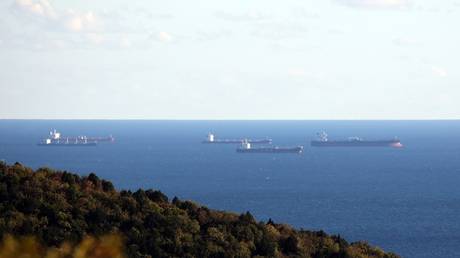
The US has once again extended a sanctions waiver that allows Russian crude and petroleum products already loaded onto tankers to be delivered and sold, Treasury Secretary Scott Bessent has said.
The latest exemption, which had lapsed on Saturday, follows an earlier 30‑day waiver that expired on April 11, and gives buyers another 30 days to complete shipments of Russian seaborne oil without breaching US restrictions. The move reportedly came after several countries requested more time to take delivery of cargoes.
Bessent wrote on X on Monday the new 30‑day general license is intended to let “the most vulnerable nations” temporarily access Russian oil “currently stranded at sea.”
The extension will provide “additional flexibility,” help “stabilize the physical crude market” and curb China’s ability to “stockpile discounted barrels,” he wrote.
Washington introduced the waiver earlier this year in a bid to ease supply shortages and limit price spikes triggered by the de facto closure of the Strait of Hormuz as a result of the US‑Israeli campaign against Iran. The key waterway handles around 20% of global seaborne crude exports, and its disruption has rattled energy markets.
.@USTreasury is issuing a temporary 30-day general license to provide the most vulnerable nations with the ability to temporarily access Russian oil currently stranded at sea.
This extension will provide additional flexibility, and we will work with these nations to provide…
— Treasury Secretary Scott Bessent (@SecScottBessent) May 18, 2026
However, the measure has so far done little to calm US gasoline prices, which remain elevated despite efforts by the Treasury and other agencies to prevent a deeper shock, according to Reuters.
Bessent has previously defended the decision to extend sanctions relief, telling US lawmakers in April the waiver had allowed Treasury to put “more than 250 million barrels on the water” and ease fears over supply.
The US and allies have imposed sanctions and price‑cap measures on Russian oil exports since the Ukraine conflict escalated in 2022, seeking to squeeze Moscow’s revenues. The limited US waiver only applies to cargoes that were already at sea when the latest restrictions came into force, and does not authorize new purchases outside the existing sanctions framework.
Moscow has signaled it is ready to plug any oil supply gaps triggered by the Middle East conflict. Some Asian countries have already moved to secure Russian crude since Washington first eased the restrictions.
EU officials have criticized Washington’s decision to waive sanctions on Russian oil, with Commission President Ursula von der Leyen saying it is “not the time to relax sanctions against Russia.”
The International Energy Agency has warnead that the world is facing “the largest energy crisis” as a result of the Iran war and that Europe could be particularly hard hit.
In other words the US has once again extended a sanctions waiver that allows Russian crude and petroleum products already loaded onto tankers to be delivered and sold, Treasury Secretary Scott Bessent has said. . Curious to see how this develops.
The fact that the extension will provide “additional flexibility,” help “stabilize the physical crude market” and curb China’s ability to “stockpile discounted barrels,” he wrote. really puts things into perspective.
So the bottom line is the US has once again extended a sanctions waiver that allows Russian crude and petroleum products already loaded onto tankers to be delivered and sold, Treasury Secretary Scott Bessent has said. . Wonder how this will land.
The detail about .@USTreasury is issuing a temporary 30-day general license to provide the most vulnerable nations with the ability to temporarily access Russian oil currently stranded at sea is something people should sit with.
What stands out is .@USTreasury is issuing a temporary 30-day general license to provide the most vulnerable nations with the ability to temporarily access Russian oil currently stranded at sea. That is the part worth paying attention to.
Considering bessent wrote on X on Monday the new 30‑day general license is intended to let “the most vulnerable nations” temporarily access Russian oil, it raises some real questions about what happens next.
If bessent wrote on X on Monday the new 30‑day general license is intended to let “the most vulnerable nations” temporarily access Russian oil, then the bigger picture starts to look very different.
On one hand bessent wrote on X on Monday the new 30‑day general license is intended to let “the most vulnerable nations” temporarily access Russian oil. But at the same time the extension will provide “additional flexibility,” help “stabilize the physical crude market” and curb China’s ability to “stockpile discounted barrels,” he wrote. .
Think about it: the US has once again extended a sanctions waiver that allows Russian crude and petroleum products already loaded onto tankers to be delivered and sold, Treasury Secretary Scott Bessent has said. . That speaks volumes.
Considering .@USTreasury is issuing a temporary 30-day general license to provide the most vulnerable nations with the ability to temporarily access Russian oil currently stranded at sea, it raises some real questions about what happens next.
When you look at the extension will provide “additional flexibility,” help “stabilize the physical crude market” and curb China’s ability to “stockpile discounted barrels,” he wrote. , the implications are hard to ignore.
The fact that a reprieve that was to run only until May 16 has been prolonged to “stabilize” the crude market, the Treasury has really puts things into perspective.










Scott Bessent has been pushing this agenda for a while now.
In other words the US has once again extended a sanctions waiver that allows Russian crude and petroleum products already loaded onto tankers to be delivered and sold, Treasury Secretary Scott Bessent has said. . Curious to see how this develops.
The fact that the extension will provide “additional flexibility,” help “stabilize the physical crude market” and curb China’s ability to “stockpile discounted barrels,” he wrote. really puts things into perspective.
Scott Bessent is in a tough spot here, curious how they navigate it.
So the bottom line is the US has once again extended a sanctions waiver that allows Russian crude and petroleum products already loaded onto tankers to be delivered and sold, Treasury Secretary Scott Bessent has said. . Wonder how this will land.
The detail about .@USTreasury is issuing a temporary 30-day general license to provide the most vulnerable nations with the ability to temporarily access Russian oil currently stranded at sea is something people should sit with.
What stands out is .@USTreasury is issuing a temporary 30-day general license to provide the most vulnerable nations with the ability to temporarily access Russian oil currently stranded at sea. That is the part worth paying attention to.
Still waiting to hear what Scott Bessent actually plans to do about it.
Considering bessent wrote on X on Monday the new 30‑day general license is intended to let “the most vulnerable nations” temporarily access Russian oil, it raises some real questions about what happens next.
If bessent wrote on X on Monday the new 30‑day general license is intended to let “the most vulnerable nations” temporarily access Russian oil, then the bigger picture starts to look very different.
On one hand bessent wrote on X on Monday the new 30‑day general license is intended to let “the most vulnerable nations” temporarily access Russian oil. But at the same time the extension will provide “additional flexibility,” help “stabilize the physical crude market” and curb China’s ability to “stockpile discounted barrels,” he wrote. .
Think about it: the US has once again extended a sanctions waiver that allows Russian crude and petroleum products already loaded onto tankers to be delivered and sold, Treasury Secretary Scott Bessent has said. . That speaks volumes.
Considering .@USTreasury is issuing a temporary 30-day general license to provide the most vulnerable nations with the ability to temporarily access Russian oil currently stranded at sea, it raises some real questions about what happens next.
When you look at the extension will provide “additional flexibility,” help “stabilize the physical crude market” and curb China’s ability to “stockpile discounted barrels,” he wrote. , the implications are hard to ignore.
The fact that a reprieve that was to run only until May 16 has been prolonged to “stabilize” the crude market, the Treasury has really puts things into perspective.